Oman Travel Guide 2026: Discovering Arabia's Most Welcoming Sultanate
Oman welcomed approximately 3.8 million visitors in 2024, with tourism contributing 2.7 billion Omani Rials to the national economy. The sultanate has emerged as perhaps the most accessible introduction to Arabian culture for Western travelers, offering visa-free 14-day entry for 103 nationalities including Americans while maintaining authentic traditions largely untouched by the mass tourism that has transformed neighboring destinations.
Where Dubai offers gleaming modernity and Saudi Arabia remains in early stages of tourism development, Oman presents a careful balance. Traditional souqs operate as they have for centuries, desert communities maintain Bedouin hospitality customs, and dramatic landscapes range from sea-level beaches to nearly 3,000-meter mountain peaks, all within a country smaller than Kansas.
Muscat: Where Tradition Meets Modernity
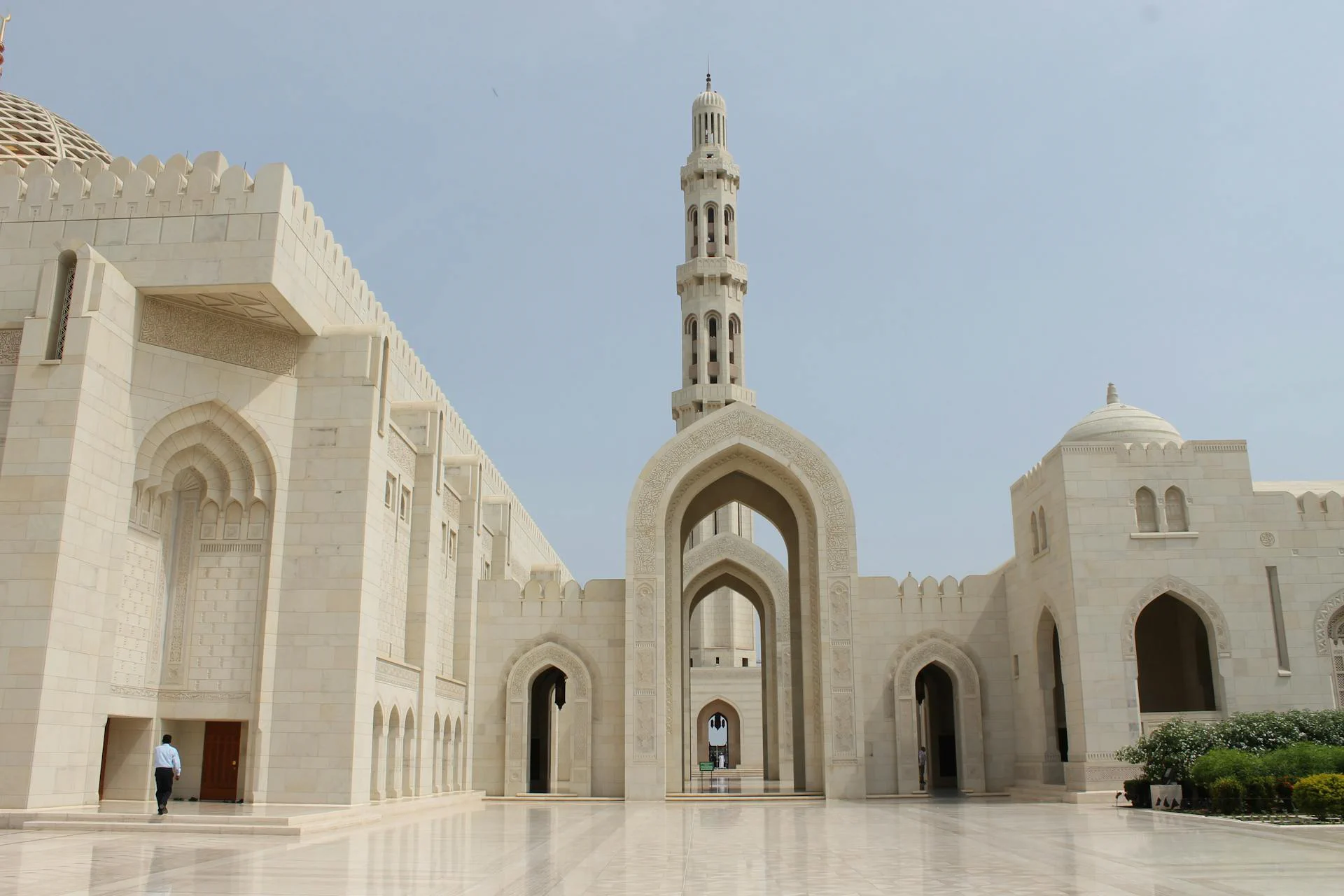
The capital city stretches along a narrow coastal strip hemmed between mountains and sea, its white buildings and minimal high-rises presenting a deliberately understated urban profile. The Sultan Qaboos Grand Mosque represents the most significant architectural achievement of the late sultan’s reign, spanning 103 acres and accommodating 20,000 worshippers beneath its central dome and five minarets.
The mosque’s interior features the world’s second-largest handwoven Persian carpet, measuring 70 by 60 meters and containing over a billion knots. A 14-meter Swarovski crystal chandelier illuminates the main prayer hall. Non-Muslims may visit Saturday through Thursday between 8:00 and 11:00 AM only, a narrow window that requires planning morning activities around this opportunity. Women must cover their hair completely, and all visitors must cover shoulders and knees. Abayas are available for loan at the entrance.
The Mutrah Souq has operated for over 200 years along winding alleys that frustrate navigation while rewarding exploration. Frankincense, Oman’s historic treasure traded along ancient routes to Rome and beyond, remains available from multiple vendors alongside silver jewelry, woven textiles, and spices in aromatic abundance. The souq connects to the waterfront Corniche, a pleasant evening promenade as temperatures cool.
The Royal Opera House, commissioned by Sultan Qaboos and opened in 2011, represents one of the world’s most beautiful performance venues. Burmese teak, Italian Carrara marble, and Omani craftsmanship combine in a building that hosts international performances alongside Arabic cultural programming. Tours cost approximately 3 Omani Rials and reveal spaces that rival any European opera house.
Into the Desert: Wahiba Sands
The Sharqiya Sands, historically called Wahiba Sands, lie approximately two hours from Muscat along well-maintained highways that suddenly give way to sand dunes requiring four-wheel drive. This transition from tarmac to desert marks the beginning of an experience that has drawn travelers for generations.
Desert camps range from traditional Bedouin goat-hair tents to luxury glamping complete with air conditioning and en-suite bathrooms. The price range is correspondingly wide, from basic overnight stays at 40 Omani Rials to premium experiences exceeding 200. Activities common across price points include dune bashing in Land Cruisers, camel riding at sunset, sandboarding down steep dune faces, and stargazing in complete darkness.
Approximately 3,000 Bedouins still inhabit the Sharqiya Sands with no permanent settlements beyond 10 to 20 minutes into the desert. Encountering these communities offers glimpses into ways of life that have adapted rather than disappeared, with traditional hospitality customs that may include invitations to share coffee in family tents.
Wadis: Oman’s Emerald Treasures
The Arabic word “wadi” describes seasonal riverbeds that may flow with water or lie dry depending on season and location. In Oman, several wadis maintain permanent water from natural springs, creating oases of emerald pools and palm groves amid otherwise arid terrain.
Wadi Shab requires a 45-minute hike through palm groves and a swim through turquoise pools to reach a hidden cave waterfall. The final section involves swimming through increasingly narrow rock passages, creating an adventure suitable only for confident swimmers. The reward justifies the effort: a cave where a waterfall pours from an opening in the rock ceiling into a crystal pool.
Wadi Bani Khalid offers easier accessibility with year-round water from hot springs, established pools containing fish that nibble at visitors’ feet in a natural spa treatment, and on-site facilities including restaurants and restrooms. The location proves popular with Omani families, particularly on weekends, offering cultural immersion alongside natural beauty. Navigation tip: search for “Wadi Bani Khalid Parking Area” in GPS rather than the wadi name itself.
Mountain Heights and Coastal Escapes
Jebel Shams, the “Mountain of the Sun,” rises to approximately 3,000 meters as Oman’s highest peak. The mountain offers the “Balcony Walk,” a hiking trail that traverses ledges along 1,000-meter cliff edges leading to abandoned villages where families once lived in remarkable isolation. Four-wheel drive is essential for reaching the trailhead, and visitors should bring warm clothing as temperatures at altitude differ dramatically from coastal areas.
The Dhofar region around Salalah in southern Oman experiences a phenomenon unique in the Arabian Peninsula. The Khareef monsoon arrives between June and September, transforming brown desert landscapes into lush green hillsides while temperatures drop to a comfortable 25 to 28 degrees Celsius. While the rest of Oman and the Gulf bakes in summer heat, Salalah offers a different world entirely. The region welcomed over 600,000 tourists during khareef season and has earned recognition as an outstanding tourism destination.
Essential Customs and Regulations
Omani law requires visitors to cover shoulders and knees in public, with violations under Article 294a of the Penal Code potentially resulting in one to three months imprisonment and fines of 100 to 300 Omani Rials. Enforcement varies, but respectful dress is both legally required and culturally appropriate.
E-cigarette importing and use is illegal in Oman. Alcohol is available only in licensed hotels and restaurants, with a legal drinking age of 21. Photography of military sites and government buildings is prohibited, a rule taken seriously by authorities.
The optimal visiting season runs from October through April, when temperatures range from pleasantly warm to occasionally cool at night. Summer months bring extreme heat to most of the country, exceeding 40 degrees Celsius in many areas, with the notable exception of Salalah during khareef season.
For travelers seeking authentic Arabian experiences without the complications of more restricted destinations, Oman delivers remarkably well. The combination of accessible logistics, genuine cultural preservation, and natural diversity creates opportunities for exploration that would require multiple countries elsewhere in the region.