Malta Travel Guide 2026: 5,000 Years of History in Europe's Mediterranean Jewel
Malta achieved a record-breaking 3.56 million inbound tourists in 2024, with visitor expenditure reaching 3.3 billion euros. The Mediterranean archipelago continues leading European tourism growth, with strong increases in overnight stays recorded throughout 2025. These numbers reflect something travelers have been discovering in increasing numbers: Malta packs an almost impossible density of history, natural beauty, and culinary tradition into an island nation smaller than many major cities.
The Maltese archipelago sits at the geographic center of the Mediterranean, 80 kilometers south of Sicily and 284 kilometers north of the African coast. This strategic position made Malta coveted by every Mediterranean power for millennia, and each successive civilization left its mark on these limestone islands.
Ancient Sites That Predate the Pyramids
The Hal Saflieni Hypogeum stands as Malta’s most remarkable ancient site, a 5,000-year-old underground burial complex carved entirely from living rock across three levels. Archaeologists discovered over 7,000 bodies within its chambers, along with artifacts suggesting sophisticated religious practices. The acoustic properties of certain rooms, particularly the Oracle Chamber, create haunting reverberations that suggest deliberate sonic engineering by its Neolithic builders.
Visiting the Hypogeum requires advance planning that cannot be overstated. Tickets cost 35 euros and must be booked at least four weeks in advance during summer months, as strict conservation limits allow only 80 visitors daily. The site accepts no walk-ins, and many travelers report disappointment at finding their preferred dates sold out. Book immediately upon confirming travel dates.
The Megalithic Temples of Malta, including Hagar Qim and Mnajdra on the southern coast, date to approximately 3600 BCE, making them older than both Stonehenge and the Egyptian pyramids. These free-standing stone structures demonstrate remarkable architectural sophistication, with precisely fitted limestone blocks creating complex multi-room temples aligned with solar and lunar events.
Valletta: A Fortress City Built by Knights
The Maltese capital of Valletta presents one of Europe’s most concentrated collections of historical architecture. Founded in 1566 by the Knights of St. John following their successful defense against the Ottoman siege, every street in this UNESCO World Heritage city tells stories of military strategy, religious devotion, and artistic patronage.
St. John’s Co-Cathedral represents the apex of Baroque artistry on Malta. Its austere limestone exterior gives no hint of the overwhelming interior, where every surface gleams with gold leaf, marble inlay, and painted ceilings. The cathedral houses two works by Caravaggio, including his largest painting, “The Beheading of Saint John the Baptist,” the only work the artist ever signed.
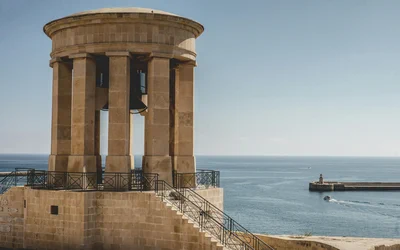
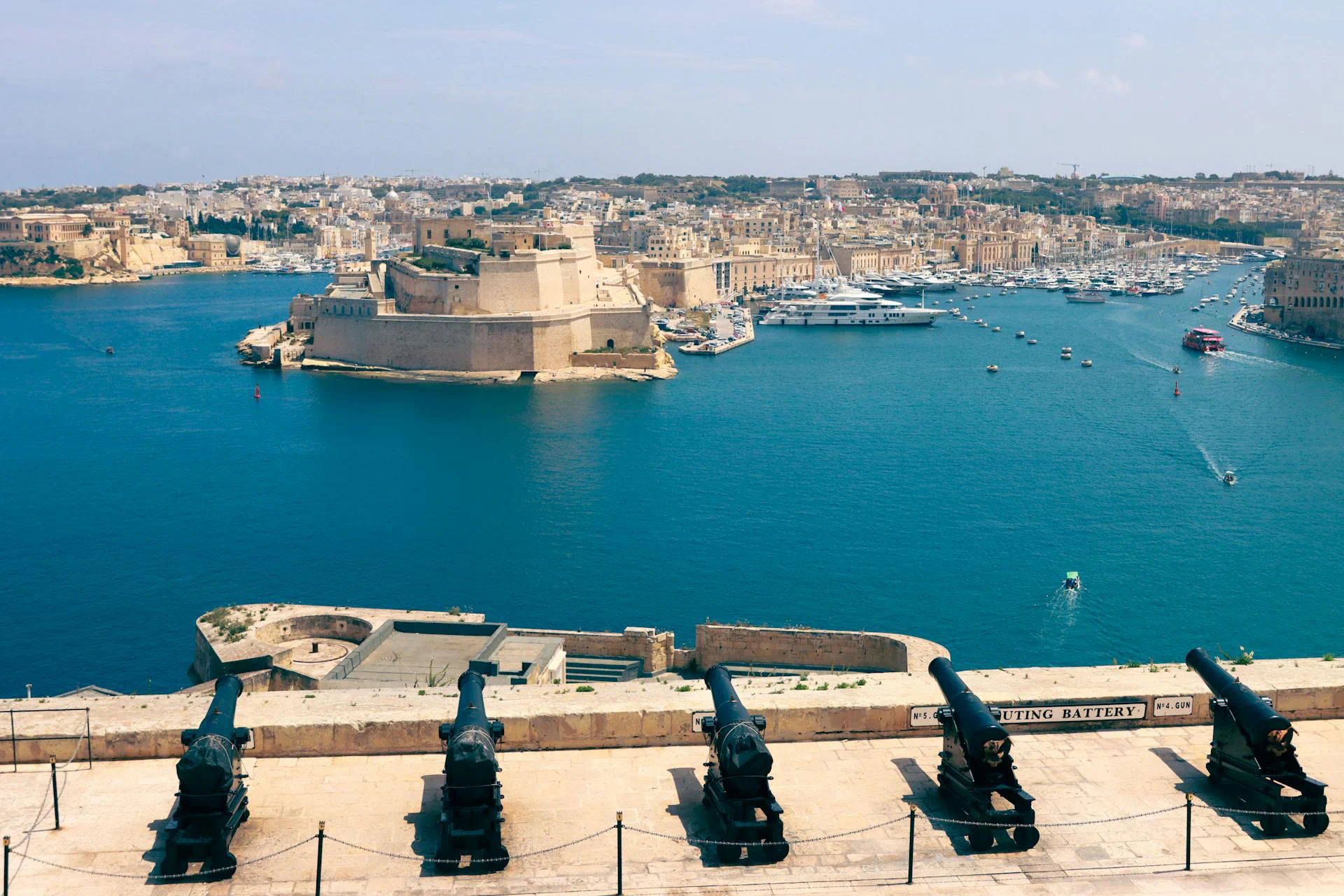
The Upper Barrakka Gardens offer the finest views in Valletta, looking out across the Grand Harbour to the Three Cities. A ceremonial cannon salute fires daily at noon, continuing a tradition dating to the arrival of the Knights. The gardens provide a peaceful green space above the fortifications, where travelers can rest while contemplating the strategic importance that made these harbor defenses necessary.
The Silent City and Island Escapes
Mdina served as Malta’s capital for nearly 4,000 years before the Knights established Valletta. Today, this fortified city high on a hill earns its nickname as the “Silent City” through strict restrictions on motor vehicles. Walking its narrow medieval streets after the day-trippers depart creates an atmosphere of timeless mystery, with noble palaces, churches, and restaurants occupying buildings centuries old.
The island of Gozo, reached by a 25-minute ferry crossing, offers a more rural pace than the main island. Farmers still work small plots amid ancient stone walls, and the island’s character remains distinctly its own. The Citadel in Victoria provides panoramic views, while the village of Xlendi offers swimming and waterfront dining in a picturesque bay.
The Blue Lagoon on the tiny island of Comino draws crowds with its impossibly turquoise waters, but the experience varies dramatically depending on timing. Summer weekends see hundreds of boats anchoring in the small bay, while early morning arrivals or shoulder-season visits find the crystalline waters nearly empty. The Malta Tourism Authority has implemented a booking system to help manage visitor numbers.
Culinary Traditions Worth Savoring
Maltese cuisine reflects the island’s position at Mediterranean crossroads, blending Italian, North African, and British influences with distinctly local ingredients. Pastizzi, flaky diamond-shaped pastries filled with ricotta or mushy peas, represent the quintessential street food, available 24 hours a day at pastizzerias throughout the islands for as little as 50 cents each.
Stuffat tal-Fenek, rabbit stew slow-cooked with tomatoes, wine, and herbs, holds the status of national dish with a history of culinary rebellion. When the Knights banned rabbit hunting in the 1530s, reserving the animals for noble sport, Maltese families began keeping hutches in defiance, making rabbit consumption an act of cultural resistance. Today, Malta claims the highest per-capita rabbit consumption in the world.
Ftira, the traditional ring-shaped sourdough bread made with potato in the dough, earned UNESCO intangible cultural heritage recognition in 2020. The Gozitan version called ftira Ghawdxija features a distinctive hole in the center and serves as the base for various topped preparations similar to pizza.
Practical Planning Details
Malta uses the euro and accepts credit cards widely, though small establishments and market vendors may require cash. English serves as an official language alongside Maltese, making communication effortless for American travelers. The Malta Pass, available in one, two, or three-day versions priced from 50 to 100 euros, covers over 40 attractions including museum admissions and public transportation.
The ideal seasons for visiting fall in spring from April through June and autumn from September through October, when temperatures range comfortably in the low to mid-20s Celsius and swimming remains pleasant. Summer brings temperatures exceeding 30 degrees Celsius along with peak crowds at major sites.
Getting around Malta efficiently requires understanding the bus system that fans out from Valletta, supplemented by ferry services to Gozo and Comino. Renting a car opens more remote areas but brings challenges including aggressive driving standards and scarce parking in historic centers.
For travelers seeking a destination where morning coffee might overlook 5,000-year-old temples, afternoon swims unfold in waters of impossible blue, and dinner features recipes passed down through generations of culinary resistance, Malta delivers an experience far exceeding its compact size.