Curacao Travel Guide 2026: Why This Caribbean Gem Is the Hottest Destination of the Year
Google Flights named Curacao among the most-searched summer destinations, and the numbers tell the story of an island on the rise. The Dutch Caribbean territory welcomed 700,249 stayover arrivals in 2024, representing a remarkable 20 percent increase over the previous year and setting a new tourism record for this colorful island nation.
What makes Curacao particularly appealing to travelers lies just 40 miles north of the Venezuelan coast. The island sits entirely outside the hurricane belt, making it the only Caribbean destination that has never experienced a hurricane landfall in recorded history. For travelers tired of monitoring storm forecasts or purchasing trip insurance against weather disruptions, this geological advantage offers peace of mind that few other Caribbean islands can match.
Willemstad: A UNESCO World Heritage Welcome
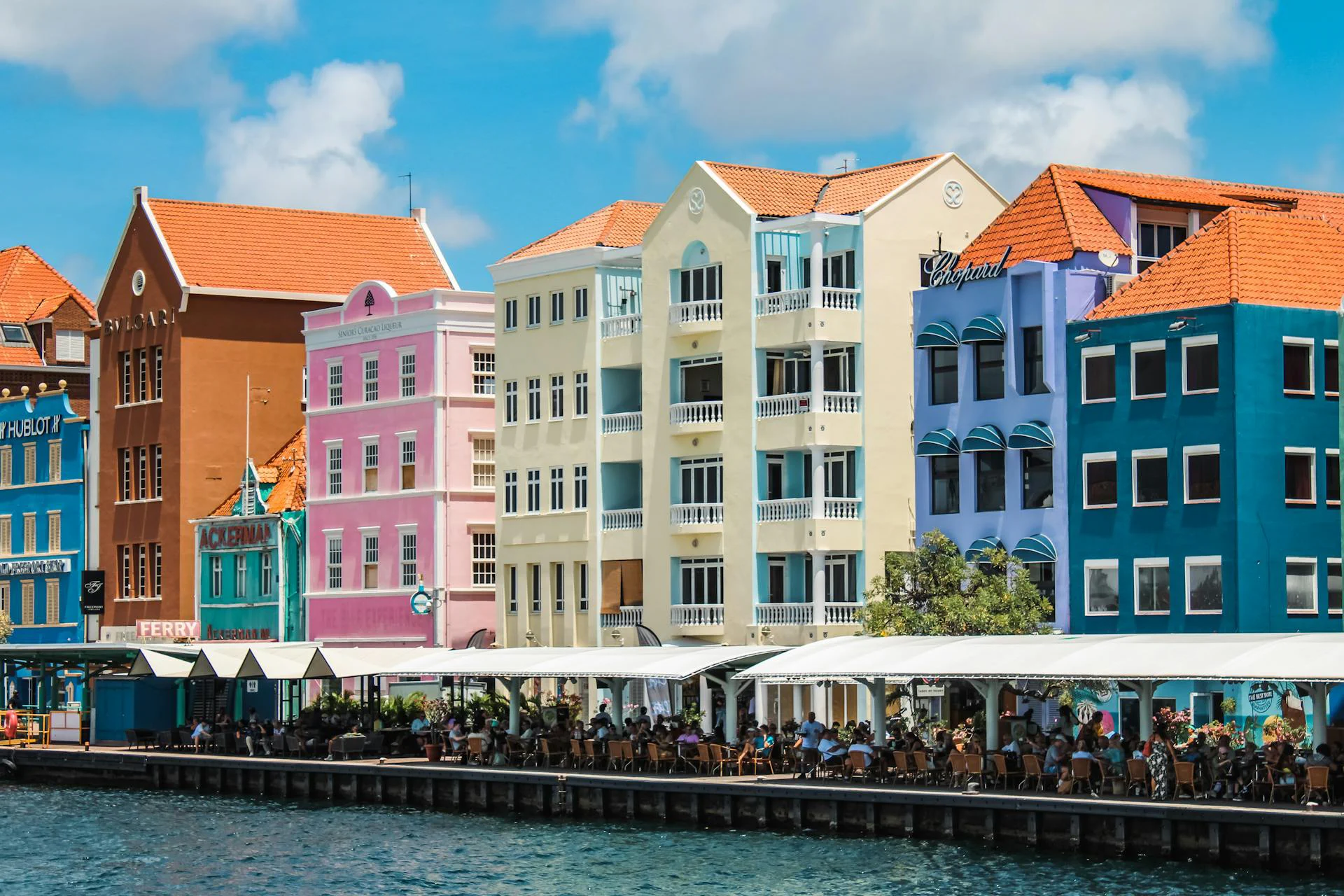
The capital city of Willemstad greets visitors with one of the most photographed waterfronts in the Caribbean. The Handelskade district features rows of Dutch colonial buildings painted in vibrant shades of pink, blue, yellow, and orange, their reflections dancing on the waters of St. Anna Bay. This architectural treasure earned UNESCO World Heritage status, and walking along the waterfront feels like stepping into a living postcard.
The Queen Emma Bridge connects the Punda and Otrobanda districts with a floating pontoon design dating to 1888. Locals affectionately call it the “Swinging Old Lady” because the bridge opens laterally to allow ships to pass, swinging aside like a door rather than lifting upward. Watching this mechanical ballet while sipping coffee at a waterfront cafe has become a quintessential Curacao experience.
Beyond the waterfront, Willemstad offers the Mikve Israel-Emanuel Synagogue, the oldest continuously operating synagogue in the Western Hemisphere, established in 1651. The Kura Hulanda Museum documents the transatlantic slave trade with unflinching honesty, occupying the very buildings where enslaved Africans were once held before being sold.
Beaches That Rival Any in the Caribbean
Grote Knip, known locally as Playa Kenepa, consistently ranks as the island’s finest beach. A crescent of white sand backed by dramatic cliffs offers crystal-clear waters perfect for swimming and snorkeling, with cliff jumping for the adventurous. Best of all, admission is free, though arriving early secures the best spots beneath the few available shade trees.
For a truly remote beach experience, boat trips to Klein Curacao transport visitors to an uninhabited island about two hours offshore. The journey itself passes shipwrecks visible from the surface, while the island offers pristine beaches, a historic lighthouse, and sea turtle breeding grounds. Several operators run daily trips, typically including lunch and snorkeling equipment.
Perhaps the most unique beach experience awaits at Playa Piskado, where local fishermen clean their daily catch at the pier. This activity attracts wild sea turtles that congregate in remarkable numbers, offering visitors the chance to swim alongside these gentle creatures in their natural habitat without any artificial feeding or enclosures.
Beyond the Beach: Caves, Parks, and Culture
Christoffel National Park spans 1,800 hectares of rugged terrain, including Mount Christoffel at 372 meters, the highest point in the entire Kingdom of the Netherlands. Eight hiking trails wind through the park, where rare white-tailed deer and orchids found nowhere else on Earth make their home. The sunrise hike to the summit rewards early risers with panoramic views across the island and, on clear days, glimpses of the Venezuelan mainland.
The Hato Caves offer a journey 300,000 years into the past. Guided tours lasting approximately 45 minutes explore chambers decorated with stalactites and stalagmites, while ancient Arawak petroglyphs dating back 1,500 years adorn the limestone walls. The cave system also serves as home to long-nosed fruit bats, visible hanging from the ceiling in certain chambers.
Curacao’s cultural identity expresses itself most distinctly through its language. Papiamentu, a Portuguese-based creole blending Dutch, Spanish, African languages, and indigenous Arawak, serves as the first language for over 81 percent of residents. Most locals speak three or four languages fluently, switching between Papiamentu, Dutch, English, and Spanish with remarkable ease.
Planning Your Visit
Entry to Curacao requires completing a free Digital Immigration Card online before arrival, a mandatory step that takes only a few minutes. United States citizens need no visa for stays up to 90 days, and the process at customs moves efficiently for prepared travelers.
Renting a car is essentially mandatory for experiencing the island fully. Public transportation remains limited, and the best beaches along the northwest coast require personal transportation to access. Roads are well-maintained and follow right-hand traffic patterns familiar to American drivers.
The dry season from December through April offers the most reliable weather, though the shoulder season from May through August provides significant savings with still-excellent conditions. Water shoes prove essential at many beaches due to coral entry points, and reef-safe sunscreen is both environmentally responsible and increasingly required at protected sites.
Airlines have dramatically expanded service to Curacao in recent months. Delta increased Atlanta flights from weekly to daily service, while new routes from multiple carriers have opened. Twenty-nine airlines now serve the island from 35 destinations worldwide, making access easier than ever before.
For travelers seeking a Caribbean experience that combines European charm, pristine beaches, and cultural depth without the anxiety of hurricane season, Curacao delivers on every front. The island’s record-breaking tourism numbers suggest the secret is getting out, making now an ideal time to discover this Dutch Caribbean gem before the crowds fully arrive.