Angola Opens Its Doors: Inside Africa's Last Great Travel Frontier
For decades, Angola remained one of Africa’s most restricted destinations, its tourism potential locked behind complex visa requirements and the lingering effects of a civil war that ended in 2002. That era has definitively closed. The country now offers visa-free entry for 97 to 98 countries, including the United States and European Union nations, and tourism surged 87.4 percent in 2023 with nearly 864,000 visitors crossing its borders.
What awaits those willing to venture beyond the well-worn safari circuits of East Africa is nothing less than a country of staggering natural beauty, vibrant music culture, and experiences available nowhere else on the continent. Angola represents the genuine article for travelers who have done Serengeti and Kruger and hunger for something entirely new.
Natural Wonders on a Grand Scale
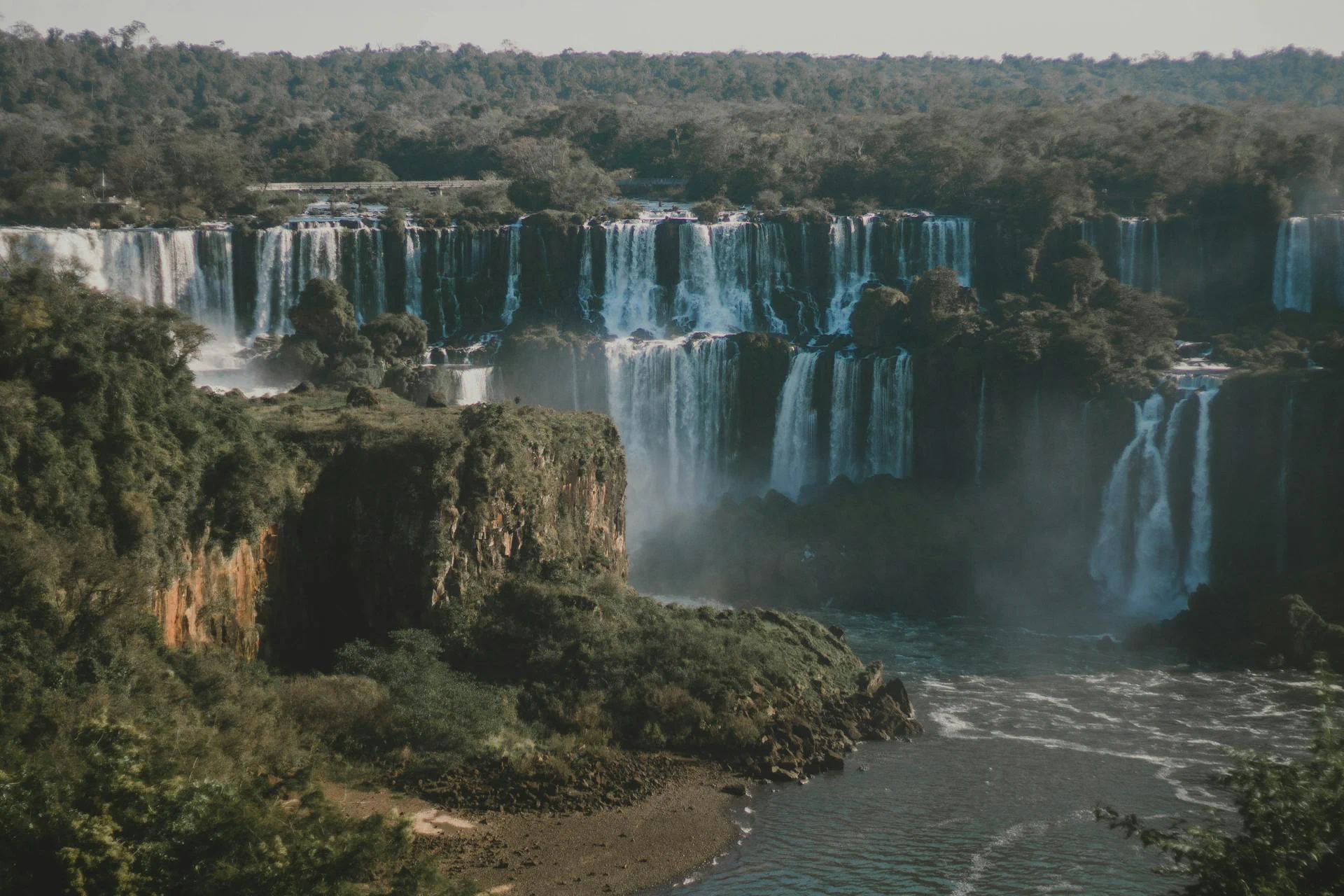
Kalandula Falls in Malanje Province ranks among Africa’s largest waterfalls, where the Lucala River plunges over a 105-meter drop spanning 400 meters in width. The falls reach their most impressive volume during the rainy season from September through May, when the thundering cascade creates permanent rainbows in the mist. The best viewing comes from Posada Calandula, a guesthouse perched directly above the falls that offers accommodations for those wanting to experience sunrise over this natural wonder.
The Tundavala Fissure near the southern city of Lubango presents one of Africa’s most vertiginous viewpoints. Standing at the edge of a 2,200-meter escarpment, visitors peer down at the landscape below through a gap in the mountains so dramatic it earned recognition as one of the “Seven Wonders of Angola.” The drive from Lubango takes approximately 20 minutes, though the road conditions require careful navigation.
Serra da Leba Pass has achieved iconic status within Angola, its winding mountain road appearing on the 5,000 Kwanza banknote. The engineering achievement of carving 17 hairpin turns into the mountainside between the plateau and the coastal lowlands creates one of Africa’s most memorable drives, with each turn revealing new panoramas of the landscape below.
Luanda: A Capital in Transformation
The Angolan capital sprawls along the Atlantic coast, a city of striking contrasts where Portuguese colonial architecture stands alongside modern skyscrapers and informal settlements. The 16th-century Fortaleza de Sao Miguel represents the oldest building in the capital, a fortress that witnessed centuries of trade, conflict, and transformation. Today it houses a military museum documenting Angola’s complex history.
The National Museum of Slavery occupies a former slave-trading post, offering an unflinching examination of Angola’s central role in the transatlantic slave trade. Between the 16th and 19th centuries, more enslaved Africans departed from Angolan ports than from any other region of the continent, and this museum preserves that difficult history with remarkable honesty.
The Marginal, Luanda’s waterfront promenade, has undergone significant renovation in recent years, offering joggers, cyclists, and evening strollers views across the bay. On weekends, the waterfront comes alive with families, street food vendors, and the sounds of semba and kizomba drifting from nearby venues.
Wildlife and Cultural Treasures
Kissama National Park, located about 70 kilometers south of Luanda, provides the most accessible wildlife experience in the country. The park represents a rewilding success story, with elephants relocated from war-affected areas of Botswana and South Africa now thriving in a landscape of baobab-dotted savannah. Antelope, buffalo, and various bird species round out the wildlife viewing opportunities.
The Giant Sable Antelope, Angola’s national symbol appearing on its coat of arms, survives only in Cangandala National Park. This critically endangered species, with its magnificent curved horns reaching over a meter in length, represents a conservation success story after the population was feared extinct during the civil war years.
Angola’s music scene deserves particular attention from culturally curious travelers. Semba, the traditional rhythm that directly influenced Brazilian samba, pulses through Luanda’s nightlife. Kizomba, the sensual partnered dance now taught in studios worldwide, originated here. Kuduro, an electronic dance music born in Luanda’s musseques (informal settlements), expresses the energy and resilience of post-war youth culture with relentless beats and energetic dance moves.
What Travelers Need to Know
The U.S. State Department rates Angola at Level 2, advising travelers to exercise increased caution due to crime and health concerns. Petty crime occurs in Luanda, particularly in crowded areas, and travelers should exercise standard urban precautions. More significantly, landmines remain a risk outside major cities, particularly near roads, bridges, and verges. Traveling off main routes requires experienced local guides familiar with cleared areas.
Healthcare facilities outside Luanda remain severely limited, and travelers should ensure comprehensive medical evacuation insurance before arrival. Food and water safety remain important considerations, so attention to hygiene is essential.
Luanda historically ranked among the world’s most expensive cities for expatriates, and while costs have moderated since the Angolan Kwanza began floating freely, budget travel remains challenging. Expect to spend $50 to $100 per day at minimum, with organized tours averaging $400 or more daily. The economy operates largely on cash, with limited ATM availability outside major cities.
The dry season from May through October offers the most comfortable travel conditions, with cooler temperatures and minimal rainfall. The best time to visit Kalandula Falls, however, comes during or just after the wet season when water volume reaches its peak.
For adventurous travelers willing to navigate its challenges, Angola offers something increasingly rare in our well-documented world: genuine discovery. The infrastructure continues developing, tourist facilities remain limited compared to established African destinations, and that’s precisely the point. Angola represents the last great frontier of African tourism, open and waiting for those ready to explore.